
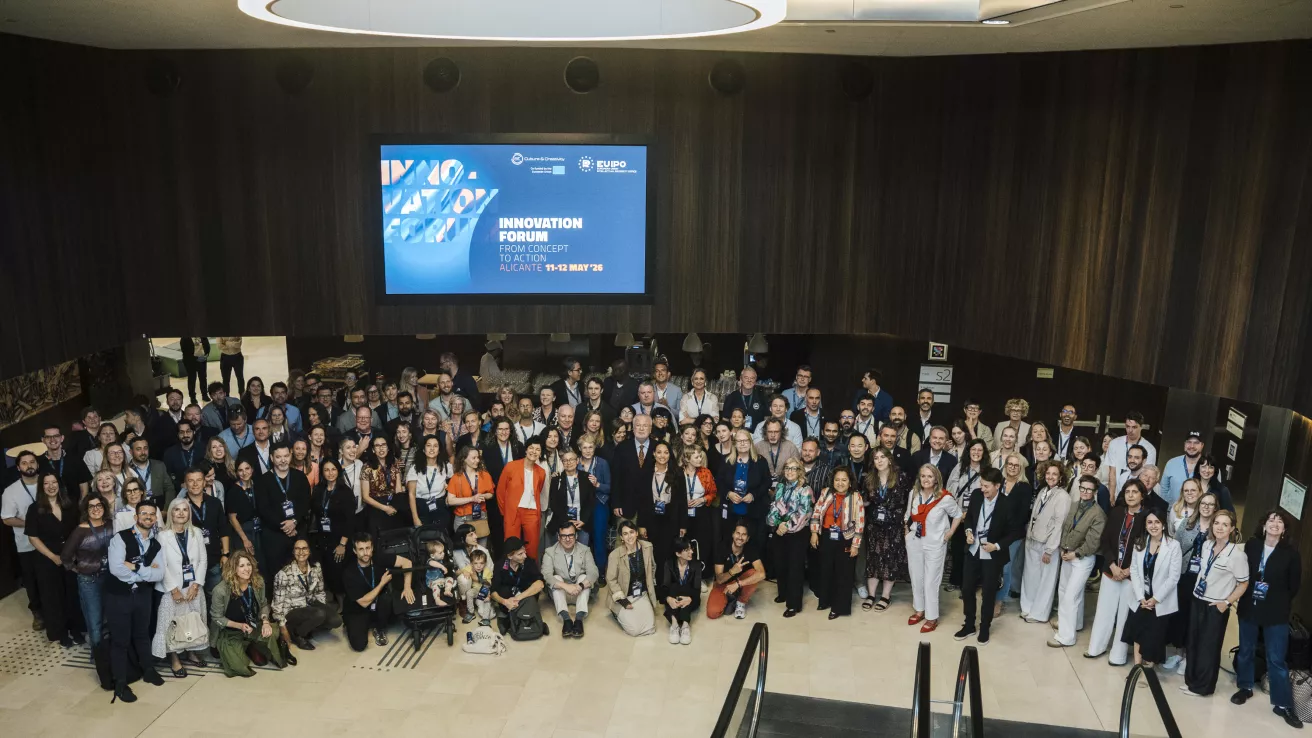
Across two thought-provoking days at the Innovation Forum in Alicante, the message was crystal clear: Europe’s creative and cultural industries are a driver of sustainable innovation across every sector. But to realise this potential we need a strategic shift in how we connect human creativity, AI and intellectual property.
The Forum opened with a strong call to action: culture and creativity can no longer be viewed as peripheral sectors. They should be at the heart of European innovation and a driver of positive economic and social change.
“How do we build a European innovation ecosystem where culture and creativity are recognised not only as a side-sector but as a strategic driver for competitiveness, technology, sovereignty and social transformation?” said Anette Schaefer, CEO of EIT Culture & Creativity. “What excites me most is that this forum is not only about ideas – it's about action.”
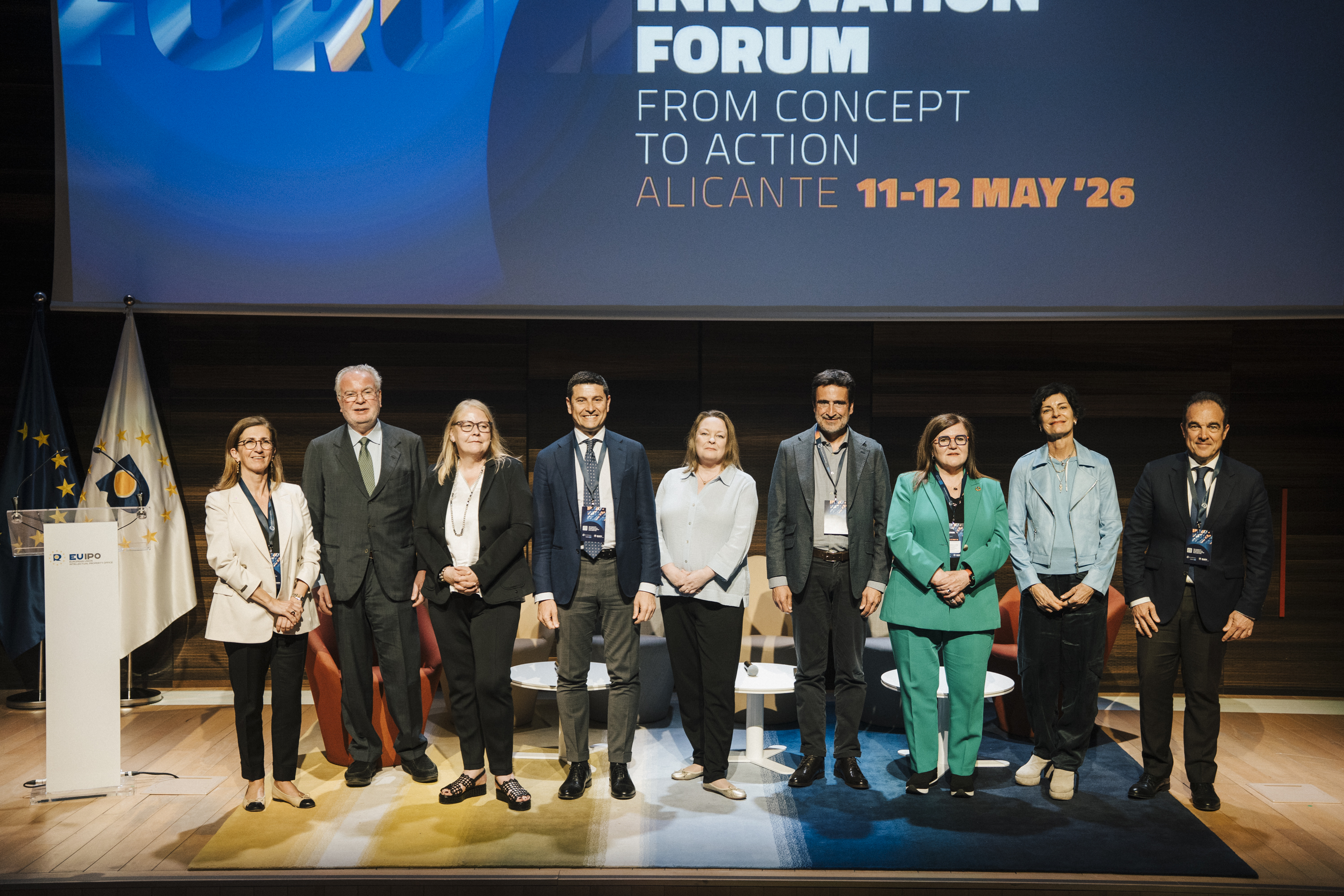
Held 11–12 May, the EIT Culture & Creativity Innovation Forum 2026 brought together more than 200 policymakers, founders, investors, researchers and entrepreneurs at the European Union Intellectual Property Office (EUIPO) headquarters in Alicante, Spain. Across two days of keynotes, panels and hands-on working sessions – moderated by AC Coppens – the mission was to explore how Europe can strengthen its creative innovation and competitiveness on its own terms, at this time of rapid technological change.
Tackling the big questions, together
The forum marked the start of a strategic collaboration between EIT Culture & Creativity and EUIPO. For the first time, these two leading institutions came together around a shared agenda, placing intellectual property, creative rights and copyright at the centre of Europe's innovation strategy.
“The future of Europe's competitiveness will depend not only on our ability to create innovation, but also on our ability to transform that innovation and creativity into economic, cultural and social value," said Andrea Di Carlo, Deputy Executive Director, EUIPO.
What immediately stood out was the diversity of people in the room and the energy they brought to discussions. Across the cultural and creative industries, participants represented technology, manufacturing, healthcare and more. Far from being a siloed discussion, the Forum reflected Europe’s increasingly interconnected innovation landscape.
Participants grappled with difficult questions: Why do promising cultural and creative ventures often struggle to scale? How do IP frameworks support – or fail – creative practice in the age of generative AI? What does responsible, tech-driven cultural innovation look like in practice? During discussions, several themes emerged.
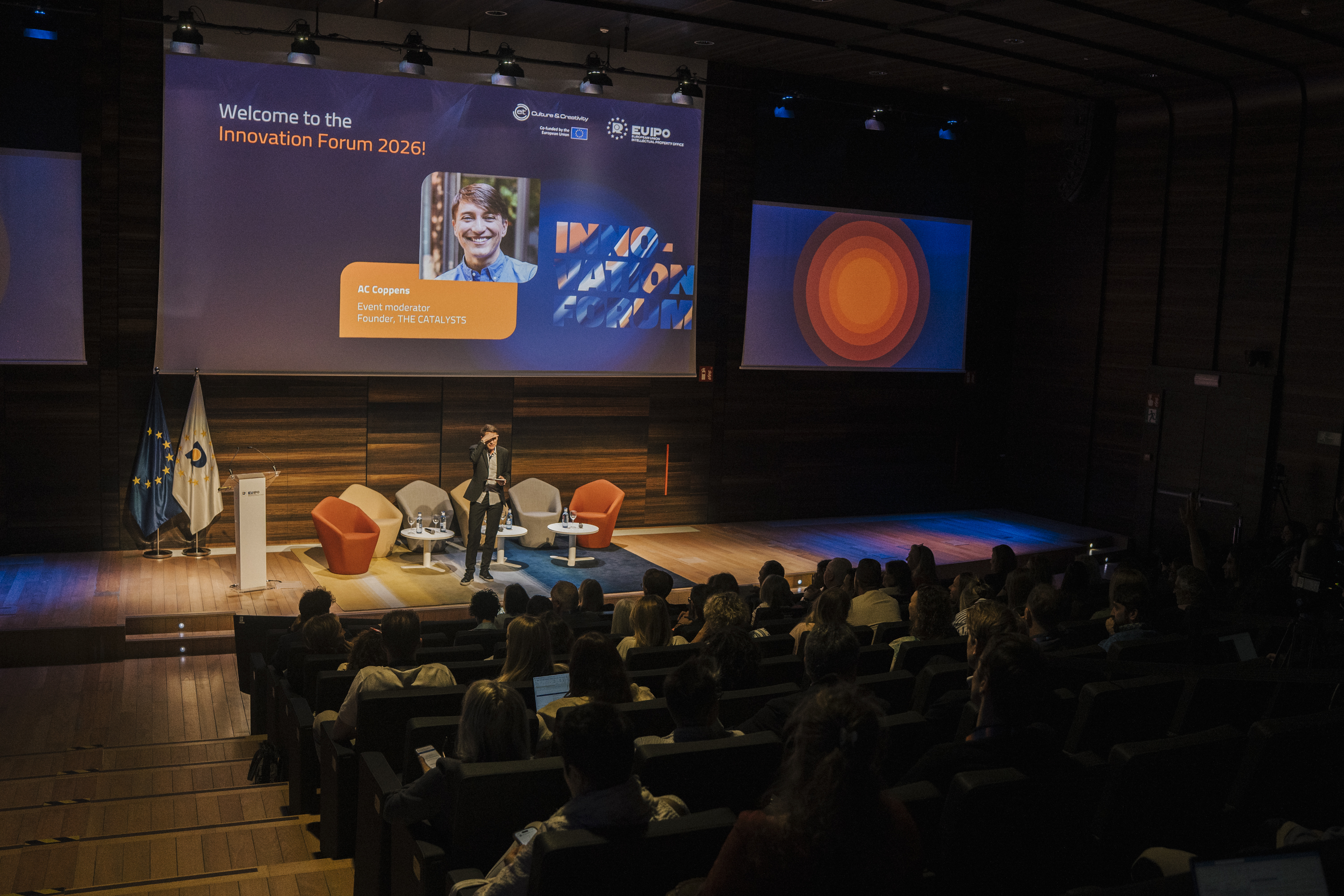
Europe’s challenge is not ideas, but scaling them
What’s clear is that Europe does not lack creativity. The challenge lies in building the infrastructure, investment pathways and market conditions that allow innovation to scale into long-term economic value.
Entrepreneurs in Alicante highlighted the difficulty of navigating a fragmented investment landscape, which limits international growth and long-term scaling opportunities. Panellists also stressed the need for stronger collaboration, faster iteration, user focus and better-timed funding to build more resilient and sustainable innovation ecosystems.
Thankfully, a broader “creative innovation” model is emerging, where creativity, IP, AI and digital infrastructure are increasingly recognised as strategic for Europe. The strengthening partnership between EIT Culture & Creativity and EUIPO can support this transition by providing resources, entrepreneurship support, and other targeted interventions for European creatives and SMEs.
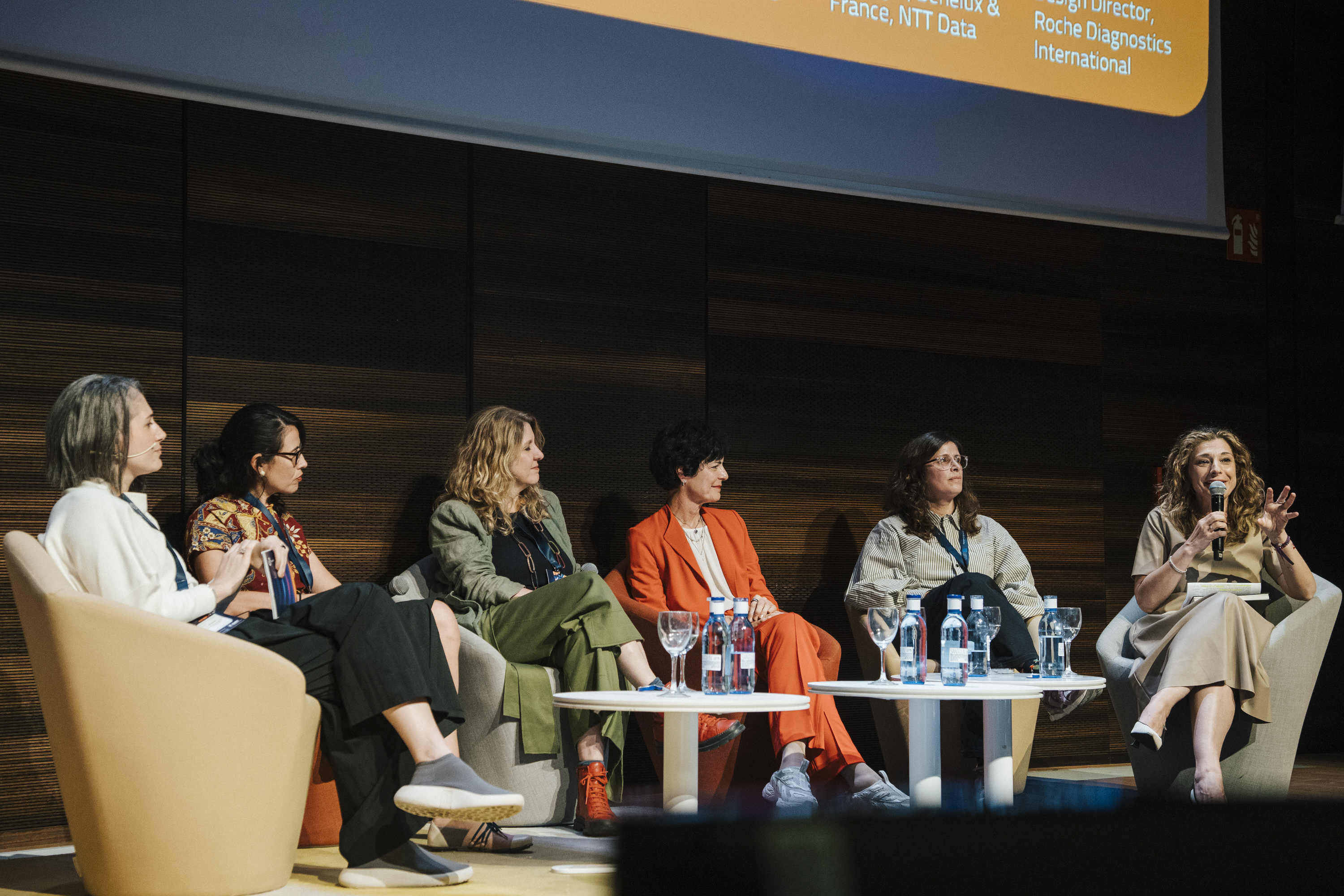
AI is reshaping creative value chains – creators and lawyers are struggling to keep up
Unsurprisingly, the impact of AI on the cultural and creative sectors was a central theme, particularly around copyright, provenance, transparency, remuneration and the use of protected content.
Today, generative AI systems can scrape the web and produce imitations, which threatens the protections provided by copyright law. And there is still a lack of global consensus on whether AI training constitutes copyright infringement, with large AI companies often arguing it does not.
Europe is responding. Under the EU AI Act, providers of general-purpose AI models must implement copyright policies and disclose information about training data. However, enforcement and adequacy remain contested.
These issues were explored in the session ‘Content Creation, Copyright and Generative AI’. It’s tough because cultural and creative businesses are micro-enterprises without legal or lobbying capacity, making it difficult to navigate rapidly evolving regulatory environments. For small businesses, copyright has historically been automatic and frictionless, but in the AI era, creators must actively “opt out” of training datasets.
Panellists discussed a range of approaches to copyright management, including the European Parliament proposal for an EUIPO-managed AI opt-out register across Europe. Another key resource covered was the EUIPO Copyright Knowledge Centre, launched in November 2025, which provides a virtual hub to help creators navigate cross-border copyright challenges.
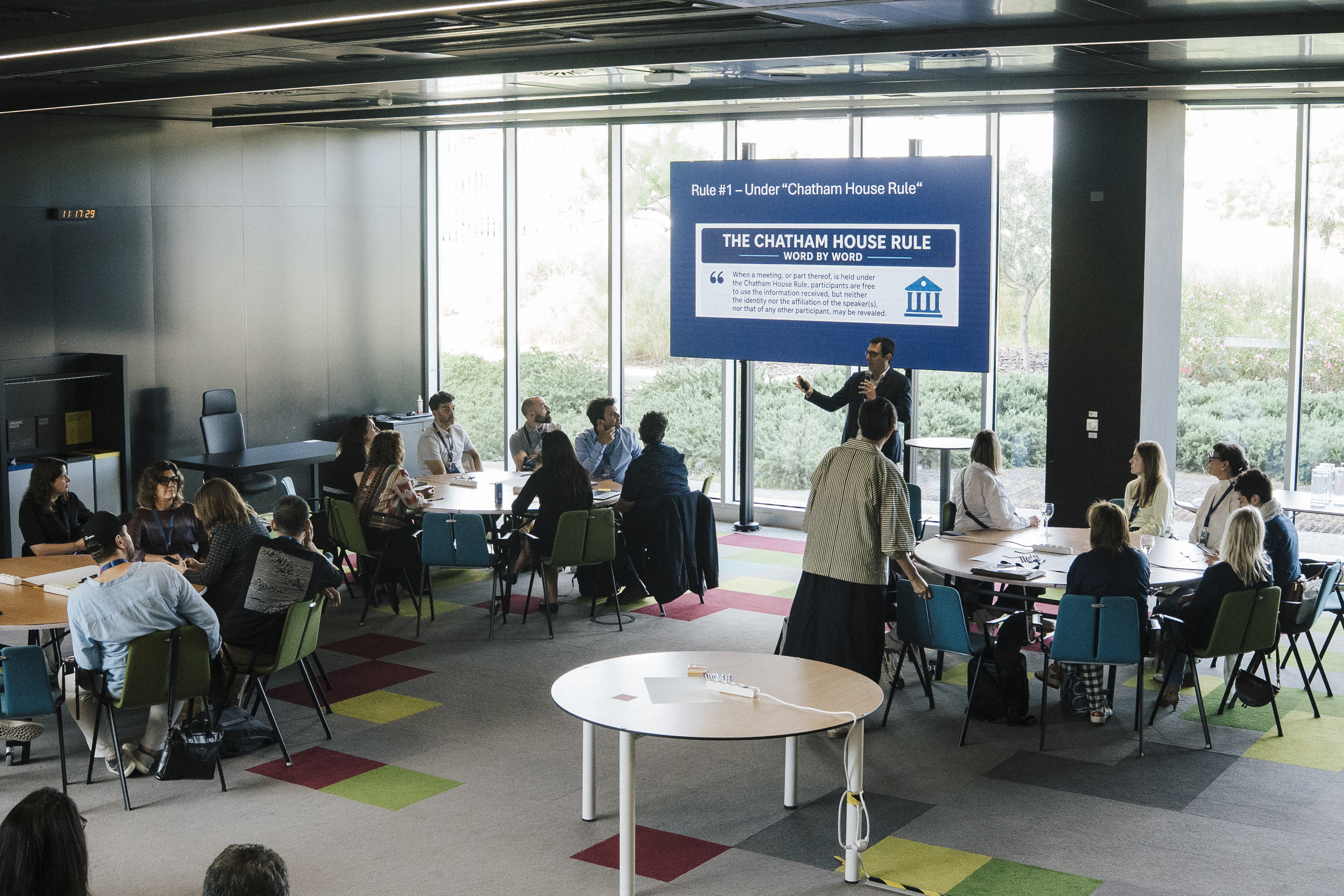
IP is becoming a strategic asset, not just a legal safeguard
A consistent theme across discussions was the need to reposition intellectual property from an abstract legal topic to a core business capability.
Too often, founders in audiovisual, gaming, design and fashion underestimate IP until it becomes a constraint rather than an enabler. Speakers stressed the need to embed IP literacy early in the innovation journey – from concept development through to investment readiness. It pays off, as founders who understand IP gain more credibility with investors.
As such, IP should be treated as foundational to creative entrepreneurship. Practical approaches discussed included sector-led IP strategies, bootcamps, investor roundtables, learning resources, and even the concept of “IP driving licences” for founders, and training for investors.
Europe’s advantage lies in its diversity
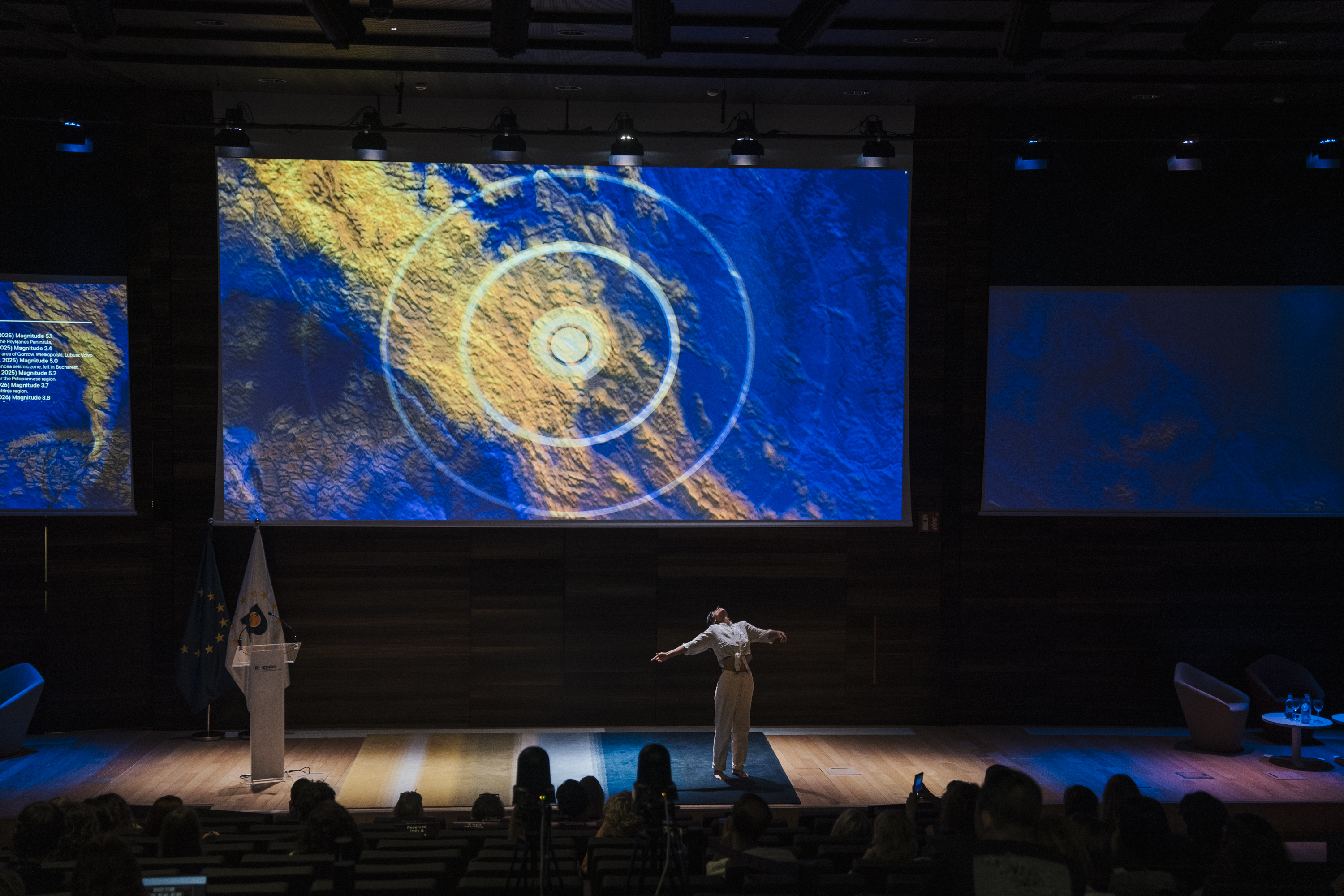
Anna Lindén, Member of the EIT Governing Board, highlighted that Europe has more than 2 million cultural enterprises generating more than €200 billion value added, but warned that many are struggling to adapt to the evolving IP landscape. “Europe has the talent, the creativity and the innovation capacity. Our challenge now is to ensure that these assets are protected, scaled and translated into global competitiveness,” she said.
Teresa Riesgo Alcaide, Spain’s Secretary General for Innovation, agreed that Europe already has strong foundations, but must better connect heritage, design, science, technology and innovation. “We know how to do it because we have been doing this for centuries," she said.
Discussions in Alicante highlighted how Europe’s diversity and cultural depth can be strategic assets in the global innovation landscape.
European cities can tap into their unique histories to inspire new generations of creatives, which can inspire other cities across the continent. Indeed, Antonio Peral Villar, Deputy Mayor of Alicante, described his city as a living lab for innovation, noting Alicante’s historical identity as the “city of light”, its name from Roman times.
European collective memory and lived experience can be seen as strategic assets in the AI age. In this vision, older generations contribute judgment, context and lived experience, while younger generations bring new technological language and tools. Together, they create more resilient forms of innovation.
From discussion to action
Looking ahead, discussions also identified a need to rethink the daily reality of work, as Europe continues to report the world’s lowest employee engagement levels. One idea voiced at the Forum is a shift from task-based organisations towards more problem-led collaboration models inspired by the idea of the “agora” – a shared space for addressing meaningful challenges collectively.
Events like the Innovation Forum can kickstart this change by bringing together Europe’s CCSI ecosystem. It helps to build shared language, identify structural gaps, and start conversations that evolve into partnerships, pilots and policy recommendations.
The main takeaway is that Europe’s future competitiveness will depend on creating the conditions to scale innovation sustainably and globally. Through our expanding partnership with EUIPO, we will ensure that intellectual property is at the heart of this transition.
A huge thank you to all our speakers, partners and participants for their insights and openness. The conversations started in Alicante are only the beginning. Europe's creative economy needs organisations that are ready to move from conversation to action, and EIT Culture & Creativity is building the ecosystem to make that possible. Whether as a partner, collaborator or supporter, we invite you to join us.