

Culture is not peripheral. It is one of the most powerful drivers of economic growth and societal change. EIT Culture & Creativity's 100-to-Watch portfolio brings together the ventures making it happen. Norwegian visitor intelligence platform Eventwood is one of them - helping cities, event organisers and cultural destinations understand the real impact of cultural experiences.
Culture-led regeneration projects in Europe have been shown to boost local economies by up to 20%, with property values in regenerated cultural districts rising by as much as 30%. Beyond the figures, lie stories of transformation.
No case illustrates it better than Bilbao. In 1997, the city was grappling with post-industrial decline when Frank Gehry's breathtaking titanium-clad Guggenheim museum opened its doors. Within just a few years, the city was attracting over 1 million visitors annually and generating an estimated €150–€200 million in economic activity.
New transport lines opened. The riverfront transformed. Restaurants, hotels, investment, all of it pulled forward by one cultural landmark. This became known as the Guggenheim effect.
Yet while culture-led regeneration has reshaped cities across Europe, the data behind these transformations has often lagged behind the change itself, and culture too often remains an invisible force.
Eventwood aims to change this by making cultural impact visible - measuring it, mapping it, and showing how to capture it. Part of the EIT Culture & Creativity 100-to-Watch portfolio, the Norwegian startup provides visitor intelligence tools that help cities, event organisers, and cultural destinations understand how people move, participate and engage with cultural experiences.
Uncovering the data behind cultural transformation
In 2021, co-founder Vikash Katta was looking for a change from a career in cybersecurity and systems engineering research when he reached out to André Hauge and Giulio Gola. Together, combining expertise in AI, data, and digitisation, they launched a crowdfunding ticketing platform for events, helping organisers fund their initiatives with lower risk at a particularly timely moment - the Covid-19 pandemic. Yet some of the most valuable things they raised turned out to be not just funds, but insights.
Their clients showed keen interest in the audience behaviour data the platform was generating, a signal that many lacked the context to truly understand who was coming to their events and why. Fast forward to today and Eventwood has evolved to provide the full picture, supporting clients and partners such as the Agency for Cultural Affairs in Oslo, piloting their platform with the city’s annual Pride event and leading festival Mela.
The platform pulls together anonymous data from multiple sources - mobile operators to track how visitors move, payment providers to capture spending, transport data to calculate CO2 emissions, and weather data to measure pollution levels - and turns it into reports that would typically take weeks, generated in minutes.
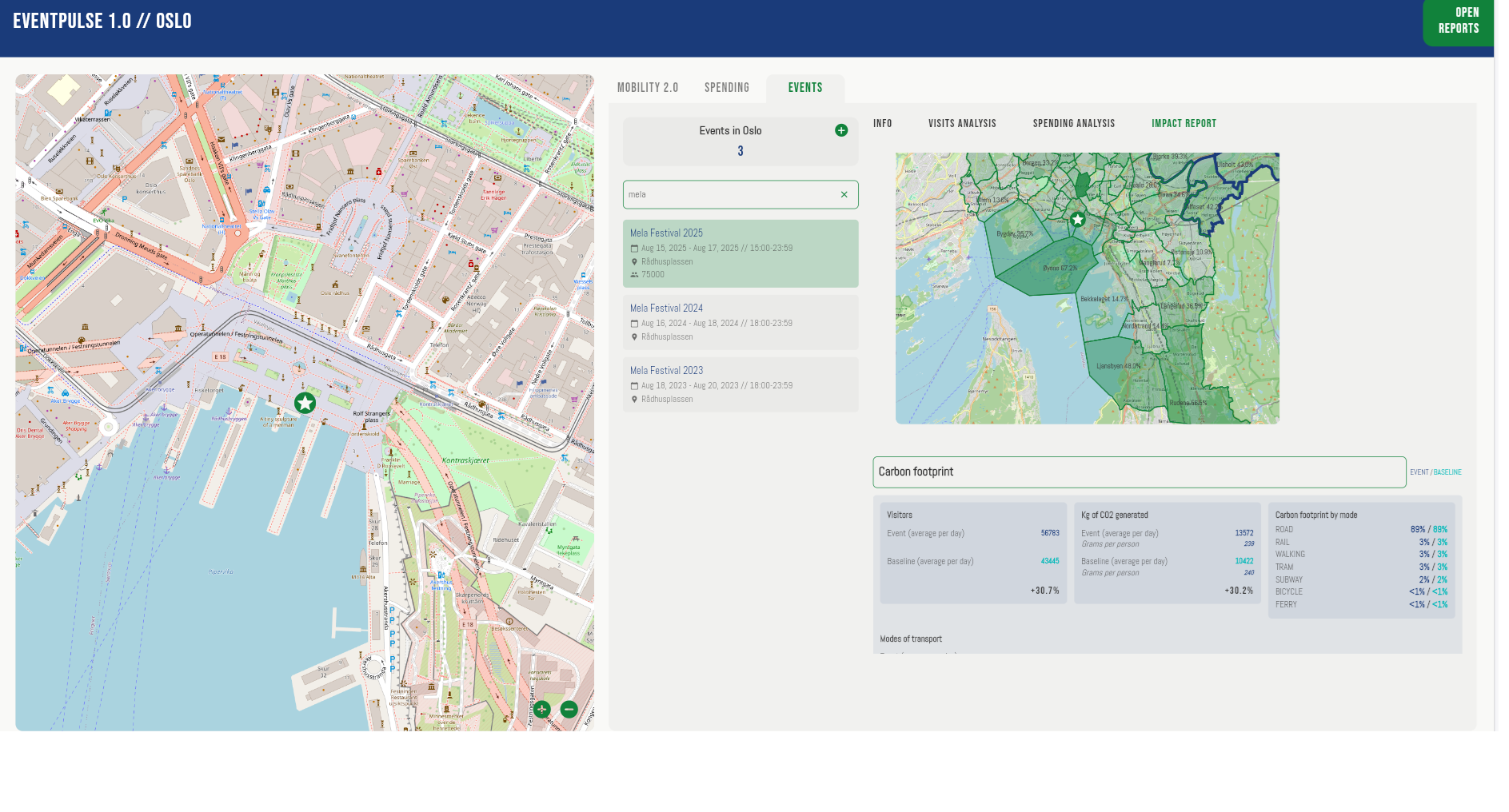
Clients access the platform either through a monthly or annual subscription model, offering continuous access to live analytics, or through one-off impact reports tailored to specific events or developments, with pricing adapted to city size and usage frequency.
From this data, users can understand where their visitors come from, how they move between districts and events, whether they return and what it is that brings them back. They can follow the economic ripple: what an event generates not just at the gate but across the neighbourhood and the city. And they can see the carbon footprint of how people got there.
Towards more sustainable and inclusive cities
The platform also helps cities confront some of Europe's most pressing urban challenges - over-tourism, uneven development, and social exclusion. By mapping which districts are being activated and which are being bypassed, it gives municipalities the tools to rebalance flows and ensure culture is reaching everyone.
The Mela Festival in Oslo is a great example, an event that aims both to celebrate Norway's artistic and cultural diversity and engage audiences who rarely engage with mainstream cultural institutions. The data showed the festival was drawing crowds predominantly from the East of the city, home to a large immigrant community. Through Eventwood, the organiser could see its cultural mission reflected in the data and could understand where gaps remained.
This kind of insight is not limited to events. The solution can cover any area, from a single district to an entire city. Sarpsborg, one of Norway's oldest cities and its first ever capital, is tapping into the platform to help rejuvenate urban life for its 60,000 inhabitants. As more cities adopt this approach, the role of cultural data in shaping urban development is set to grow.
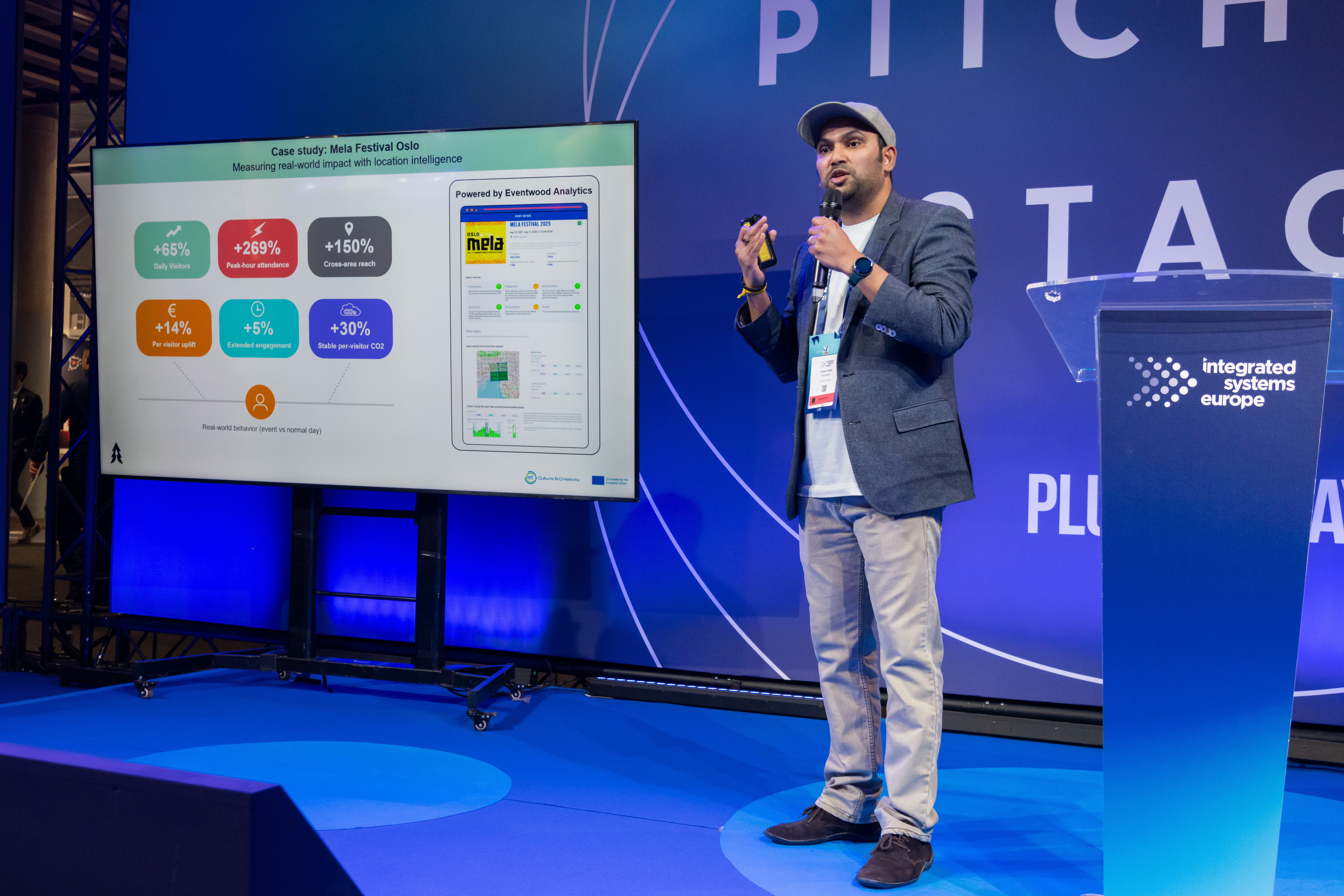
Part of the EIT Culture & Creativity community
An innovative technology, solid business model and a clear social, cultural and sustainable mission made Eventwood a great fit for EIT Culture & Creativity. The startup was selected for the Innovation Call 2025 through its DIPS project, receiving a grant of 350,000€, and the Scale Post-Acceleration Programme in 2025, gaining dedicated support to refine its model, grow the business, and connect with a broader community.
The team found particular value in the access to events across Europe and high-end mentoring to improve their pitching skills and marketing material.
“We ended up meeting some potential investors and partners through this journey. This has been extremely powerful for us”, shared its co-founder and COO, Vikash Katta. “We are confident EIT Culture & Creativity is on the way to being one of the world’s largest networks when it comes to culture and creativity, and being part of it is of huge value”, he added.
What’s next: New sectors, new markets
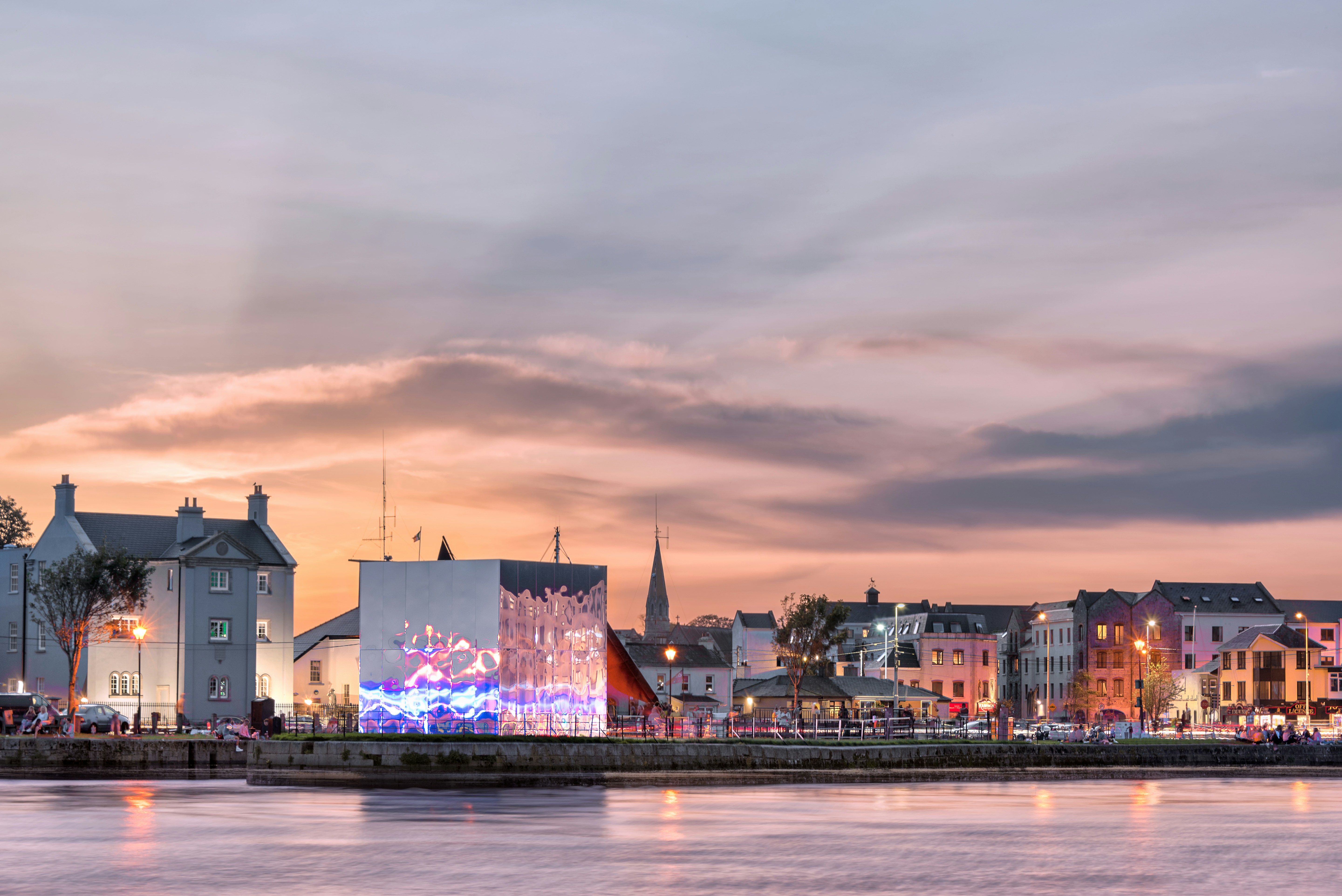
Fresh out of the programme, Eventwood is targeting tenfold growth in clients this year and a total revenue of €2 million - expanding into new sectors and new markets. Pilots are already underway for Ireland’s Galway Arts Festival and the Spanish historic town of Genalguacil, with ambitions extending well beyond the Nordics and Baltics.
New sectors are also in the mix - ones where understanding how people move through cities and cultural events is increasingly valuable.
Transport operators can use the platform to anticipate the deviations and crowd management challenges that cultural events create. Airlines gain visibility on cultural tourists beyond the airport gate, supporting more sustainable travel planning. And for real estate developers, Eventwood can show which cultural concepts are most likely to activate an area and bring people in.
Building the case for culture and creativity
Across EIT Culture & Creativity's 100-to-Watch portfolio, ventures like Eventwood are building a case for culture at a moment when it needs one the most.
"In the current landscape, culture and creativity are often the first to face cuts," says Vikash. "Yet without culture, the social and sustainable development we are all working towards will never happen. The more clearly we can show that, the more culture finally gets the recognition it deserves”.
Discover more startups shaping Europe's cultural and creative economy and the programmes making it happen: